

When the Body Carries Too Much: Stress, Spirit, and the Need to Recalibrate

Stress is not only something we think. It is something we carry — in the body, in the nervous system, in the heart, and often in the spirit. At times, what we call stress is also a sign that something in our life is asking to be rebalanced, reoriented, or more deeply tended.
From a spiritual perspective, stress is not a personal failure. It may be a sign of disconnection, overextension, grief, misalignment, fear, or a way of living that no longer fits who we are becoming. The body often knows this before the mind is ready to admit it.
When we begin to listen differently, stress can become more than a symptom to suppress. It can become an invitation to slow down, restore safety, reconnect with what matters, and notice where healing, support, or real change may be needed.
1. Start With Slow, Mindful Breathing
Your breath work gives you immediate access to calm. When stress activates your sympathetic nervous system, you start breathing faster and shallower. You can reverse this reaction by slowing your breath and extending your exhale. This shift activates your parasympathetic system, the body’s natural relaxation response.Try this method: 4-7-8
Inhale for four seconds
Hold for seven seconds
Exhale for eight seconds
Repeat for one to three minutes
Extended exhales lower cortisol, regulates heart rate, and builds emotional resilience. When you practice mindful breathing throughout the day, you train your nervous system to stay softer and calmer.
2. Reconnect With Your Body Through Somatic Movement
Stress often settles into your body as tension. Somatic movement helps release that stored stress and signals safety to your nervous system. You don’t need a workout; just a few intuitive movements can create a big shift.Try movements like:
Rolling your shoulders
Circling your hips
Shaking out your arms
Stretching your spine
Walking barefoot on the ground
Tapping (EFT tapping works amazingly well with quick results)
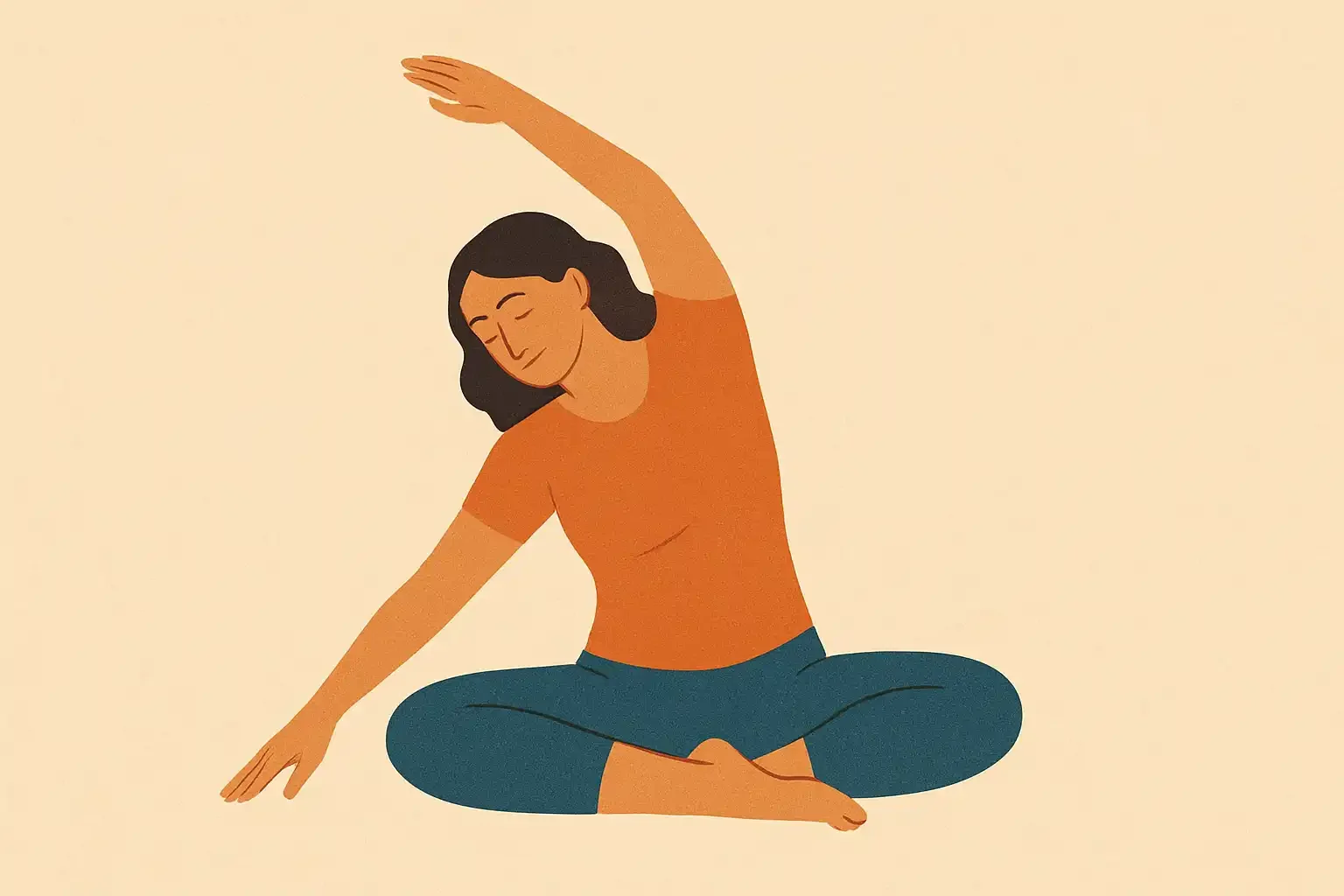
Research in somatic therapy shows that the body often relaxes before the mind. Even two minutes of gentle movement can help you feel grounded and open.
3. Practice Grounding Techniques to Stay Present
Grounding helps you interrupt racing thoughts and return to the present moment. When your mind spirals, grounding techniques act like an internal reset button.
Here are a few simple grounding practices:
Identify five things you can see
Touch something textured and describe it
Focus on nearby sounds
Place your hand on your heart
Press your feet firmly into the floor
These sensory cues pull your attention out of worry and back into your body. Grounding quickly and reliably reduces emotional intensity.
4. Build a Mindful Morning Ritual
Your morning shapes your entire day. When you start your day with intention, you reduce stress and increase emotional stability. A morning ritual doesn’t need to be long; it just needs to be consistent.You can try:
A short meditation
Writing a quick intention
Drinking water before checking your phone
Stepping outside for sunlight
Practicing gratitude
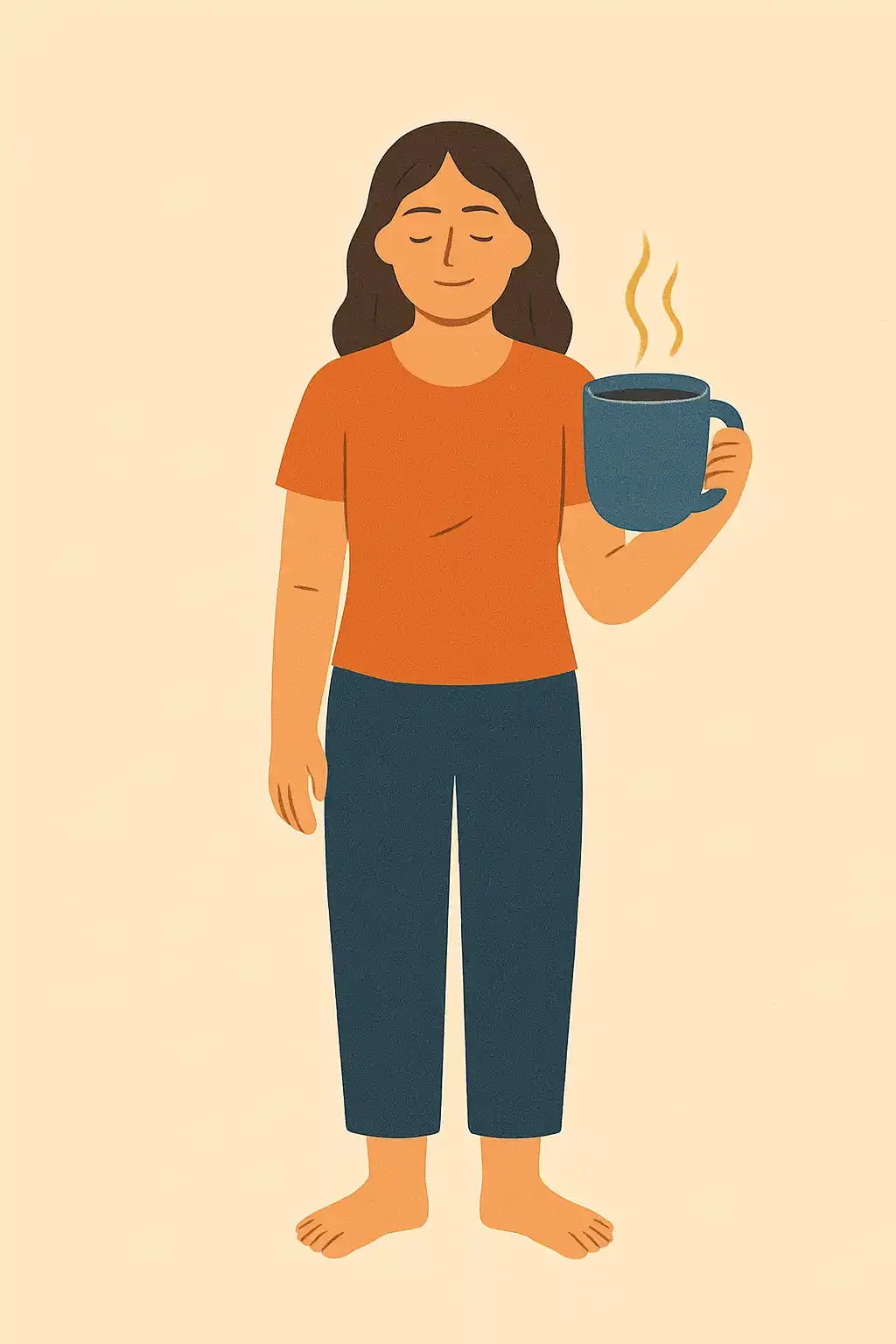
Studies show that morning rituals boost focus, reduce reactivity, and increase motivation. Even five minutes can shift your mindset.
5. Use Visualization to Guide Your Nervous System
Your brain responds to imagery almost the same way it responds to real experiences. When you visualize a peaceful scene, an ocean, a forest, or a warm beam of sunlight, your body starts to relax as if you’re actually there.Try this one-minute exercise:
Close your eyes
Imagine a calm, safe place
Notice the sounds, colors, and sensations
Breathe slowly as you experience the scene
Visualization helps you calm anxiety, soften tension, and regain emotional control during overwhelming moments.
6. Create Mini Breaks Throughout the Day
When you push through your tasks without pausing, stress builds up silently. Mini breaks interrupt this cycle and reset your internal system. These short, intentional pauses help you avoid burnout.
During a mini break, you can:
Stand up and stretch
Take six deep breaths
Sip water
Look outside for 30 seconds
Rub your hands together for warmth
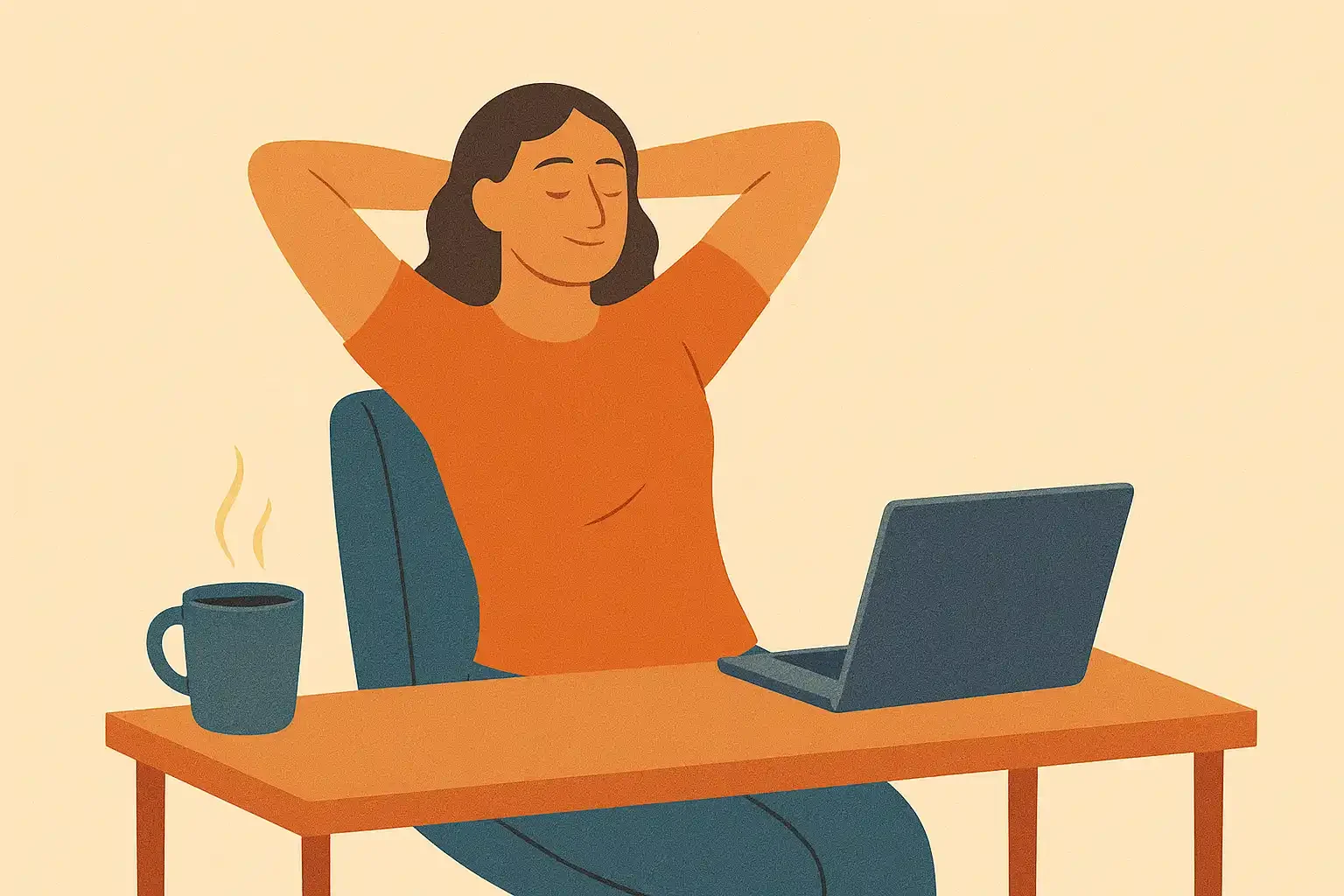
Micro-break research shows that these tiny pauses refresh your mind more effectively than long, infrequent breaks. They help you stay sharp and grounded all day.
7. Lean Into Emotional Awareness
Avoiding your emotions makes stress worse. When you acknowledge how you feel, you reduce emotional pressure and create more space to respond intentionally.Ask yourself:
What am I feeling right now?
Where do I feel it in my body?
What does this emotion need from me?
Mindfulness research shows that naming your emotion cuts its intensity in half. Emotional awareness helps you manage stress instead of reacting to it.
8. Build Supportive, Regulating Connections
Your nervous system reacts positively when you feel connected. Supportive relationships lower cortisol and increase oxytocin, a hormone that promotes calm and safety.You can strengthen the connection by:
Talking openly with a friend
Attending a workshop or group
Sharing how you feel with someone you trust
Asking for support when you need it
Healthy relationships build emotional resilience and help you handle daily stress with more ease.
9. Spend Time in Nature (Even Briefly)
Nature naturally calms your nervous system. Research shows that even a few minutes outside can lower stress hormones, reduce blood pressure, and improve mental clarity. You don’t need to sit in a forest; small doses still help.You can:
Step outside for fresh air
Look at the sky
Sit near a tree
Keep a plant on your desk
Nature invites your body to slow down and breathe more deeply. It resets your internal rhythm.
10. End Your Day With a Restorative Evening Ritual
Your body needs time to unwind before sleep. A gentle evening ritual helps release the day’s stress and prepares your nervous system for restful sleep, which plays a major role in emotional stability.Try:
Light stretching
Reading something calming
Turning off screens 30 minutes before bed
Taking a warm shower
Writing down your wins from the day
Good-quality sleep strengthens your emotional resilience and supports long-term stress healing.
Final Thoughts
Stress doesn’t dissolve on its own; you shift it through consistent, intentional practices. These techniques work because they help you regulate your mind, body, and nervous system in simple, manageable ways. Start small. Choose one or two practices that feel doable and repeat them daily. Over time, you’ll build steady emotional strength and create a healthier, calmer rhythm in your life. Contact to learn more or get guidance.
